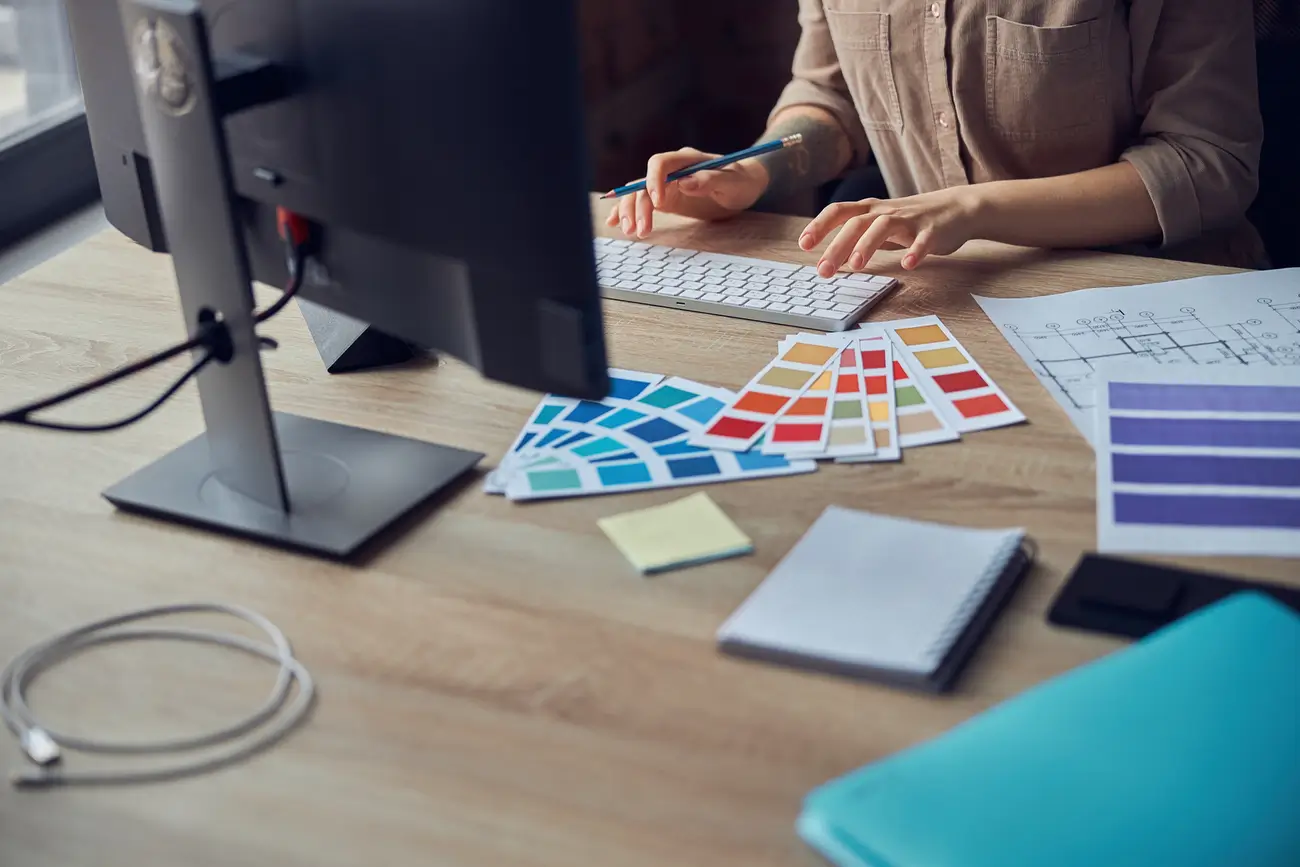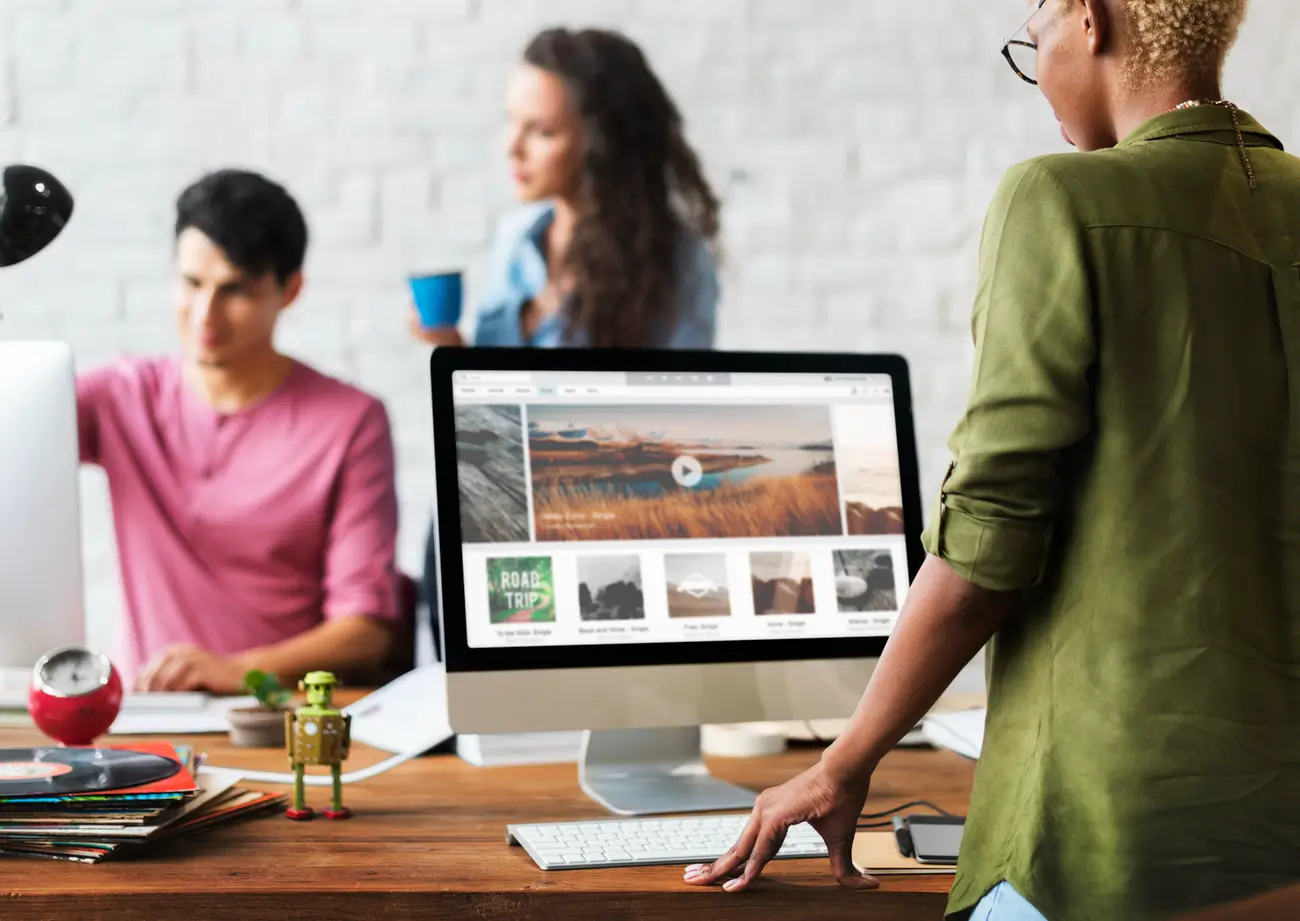
A professional, user-friendly website design builds trust, establishes credibility, and creates a positive experience that encourages visitors to take action.
Why First Impressions Matter
First impressions are powerful. Studies show that users form an opinion about a website within 50 milliseconds of landing on it. This snap judgment is based on visual design, layout, and overall usability.For businesses, this means your website has to work hard to make a positive impression right away. A poorly designed or outdated website can create doubt about your professionalism, while a polished, user-friendly site can instill confidence and encourage visitors to engage with your brand.
Building Trust
Trust is one of the most important factors in converting visitors into customers. If your website looks unprofessional or difficult to navigate, users may question the legitimacy of your business.For example, a cluttered layout, broken links, or outdated design elements can make visitors wonder if your business is reliable. On the other hand, a clean, modern design with clear navigation signals that you’re a professional organization that takes its online presence seriously.
Establishing Credibility
Your website is a reflection of your brand. A well-designed site shows that you care about quality and attention to detail, which can enhance your credibility.For instance, if you’re a financial advisor, a sleek, professional website can reassure potential clients that you’re trustworthy and capable. Conversely, a poorly designed site might make them hesitant to trust you with their finances.
Encouraging Engagement
First impressions also influence how users interact with your website. If visitors find your site visually appealing and easy to use, they’re more likely to stay, explore your content, and take action.For example, a well-organized homepage with clear calls-to-action (CTAs) can guide users toward the next step, whether it’s learning more about your services, signing up for a newsletter, or making a purchase.

The Role of Professional Design
Professional design is about more than just making your website look good. It’s about creating a seamless experience that meets user expectations and supports your business goals.
Visual Appeal
The visual design of your website is the first thing users notice. Elements like color schemes, typography, and imagery all contribute to the overall impression your site makes.A professional design uses these elements strategically to create a cohesive and visually appealing experience. For example, consistent branding across your website reinforces your identity and helps users feel more connected to your business.
User-Friendly Navigation
Navigation is one of the most important aspects of website design. Visitors should be able to find what they’re looking for quickly and easily.A professional website design prioritizes intuitive navigation, with clear menus, logical page structures, and easy-to-find links. This reduces frustration and keeps users engaged.For example, an e-commerce site with a well-organized product menu and a prominent search bar makes it easy for customers to find and purchase items.
Mobile Responsiveness
With more than half of web traffic coming from mobile devices, having a mobile-friendly website is essential. A professional design ensures that your site looks and functions well on all screen sizes, from smartphones to desktops. Mobile responsiveness isn’t all about resizing content, it’s about creating a user experience that feels natural and intuitive on smaller screens. For example, clickable buttons should be large enough to tap easily, and text should be readable without zooming.
How First Impressions Impact Your Business
The way users perceive your website can have a direct impact on your business’s success. Here’s how:
1. Increased Conversions
A professional, user-friendly website makes it easier for visitors to take action. Whether it’s filling out a contact form, signing up for a service, or making a purchase, a well-designed site removes barriers and guides users toward conversion.For example, a clean layout with a prominent “Get Started” button can encourage visitors to take the next step, while a cluttered design might leave them confused about what to do next.
2. Improved Customer Retention
First impressions don’t just affect whether users stay on your site—they also influence whether they come back. A positive experience can turn first-time visitors into repeat customers.For instance, a restaurant with an easy-to-navigate website that includes clear menus, online reservations, and contact information is more likely to attract repeat business than one with a confusing or outdated site.
3. Competitive Advantage
In today’s digital world, your website is often compared to those of your competitors. A professional design can set you apart and give you an edge in attracting and retaining customers.For example, if two local gyms offer similar services but one has a sleek, modern website while the other’s site looks outdated, the first gym is more likely to win over potential members.
4. Enhanced Brand Perception
Your website is a key part of your brand identity. A professional design reinforces your brand’s values and personality, helping users form a positive perception of your business.For example, a tech company with a cutting-edge website design communicates innovation and expertise, while a poorly designed site might send the opposite message.

Tips for Making a Great First Impression
If you want your website to make a strong first impression, here are some key tips to keep in mind:
1. Keep It Simple
A clean, uncluttered design is more effective than one that’s overly complex. Focus on the essentials and remove any unnecessary elements that might distract users.
2. Prioritize Speed
Fast load times are critical for creating a positive first impression. Optimize your site to ensure it loads quickly, even on slower connections.
3. Use High-Quality Visuals
Invest in professional photography, graphics, and videos that reflect your brand’s quality. Avoid using low-resolution images or generic stock photos.
4. Make Navigation Intuitive
Ensure that your menus and links are easy to find and use. Test your site’s navigation to make sure it’s logical and user-friendly.
5. Optimize for Mobile
Make sure your website is fully responsive and provides a seamless experience on all devices.
6. Include Clear CTAs
Guide users toward the next step with clear, compelling calls-to-action. For example, use buttons like “Contact Us,” “Learn More,” or “Shop Now” to encourage engagement.
Key Takeaways
Your website’s first impression can make or break a potential customer’s decision to engage with your business. A professional, user-friendly design builds trust, establishes credibility, and creates a positive experience that encourages visitors to stay, explore, and take action.By prioritizing visual appeal, intuitive navigation, and mobile responsiveness, you can create a website that not only looks great but also supports your business goals. Remember, your website is often the face of your brand online—make sure it’s one that leaves a lasting, positive impression.